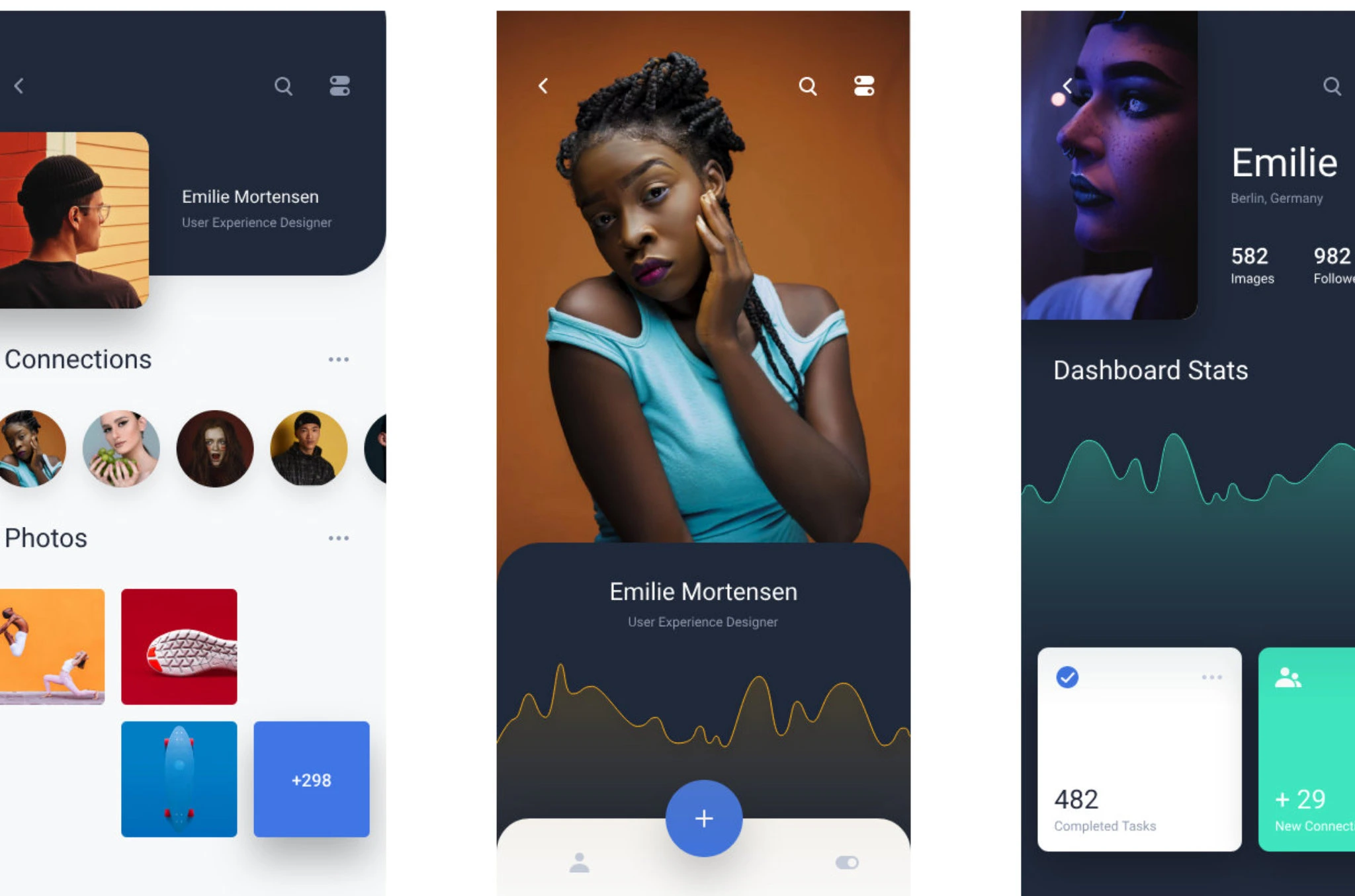
Web development has come a long way since the inception of the internet. Websites are now more than just a place to share information, they are a critical component of a business's digital presence. As a result, creating a website that is aesthetically pleasing, easy to navigate and provides value to users is essential. This is where user experience (UX) design comes in. In this article, we'll explore the benefits of UX design, the principles of UX design, the UX design process, and the future of UX design.
The Benefits of UX Design
The benefits of UX design are numerous. From improved user satisfaction to increased conversions and sales, UX design can have a significant impact on the success of a website.
Improved User Satisfaction
One of the primary benefits of UX design is improved user satisfaction. A well-designed website will make it easy for users to find what they are looking for, navigate through the site and complete their desired actions. This positive experience will leave users feeling satisfied and more likely to return to the site in the future.
Increased User Engagement
Another benefit of UX design is increased user engagement. By creating a website that is easy to navigate and visually appealing, users are more likely to spend time on the site, interact with its features and explore its content. This increased engagement can lead to a deeper connection with the brand and ultimately result in increased conversions and sales.
Enhanced User Retention
A well-designed website can also lead to enhanced user retention. By providing users with a positive experience, they are more likely to return to the site in the future. This can lead to increased brand loyalty and advocacy.
Increased Conversions and Sales
Perhaps the most significant benefit of UX design is increased conversions and sales. A website that is easy to use and provides value to users is more likely to convert visitors into customers. This can have a significant impact on a business's bottom line.
Competitive Advantage
Finally, UX design can provide a competitive advantage. In a crowded digital marketplace, a website that is well-designed and provides value to users can set a business apart from its competitors.
"UX design is not an optional feature but an essential element of web development. Invest time and effort in understanding your target audience, creating a consistent design, and testing the website through the UX design process."
Understanding User Needs
To create a website that provides value to users, it is essential to understand their needs. This requires user research, creating user personas and conducting usability testing.
User Research
User research involves gathering information about the target audience for a website. This can include demographic information, behaviour patterns, and pain points. There are various methods of user research, including surveys, interviews, and focus groups.
The importance of understanding user needs cannot be overstated. By understanding the needs and pain points of the target audience, UX designers can create a website that addresses those needs and provides value to users.
Creating User Personas
User personas are fictional representations of the target audience for a website. They include demographic information, behaviour patterns, and pain points. Creating user personas can help UX designers better understand the needs of the target audience and create a website that addresses those needs.
Conducting Usability Testing
Usability testing involves gathering feedback from users about the usability of a website. This can include feedback about navigation, content, and overall user experience. Conducting usability testing can help UX designers identify areas for improvement and create a website that is easy to use and provides value to users.
Principles of UX Design
There are several principles of UX design that are essential to creating a website that provides value to users.
Usability
Usability refers to how easy it is for users to navigate and use a website. A website that is easy to use will lead to increased user satisfaction and engagement.
Accessibility
Accessibility refers to how easily a website can be used by people with disabilities. Creating an accessible website is not only a legal requirement in some countries, but it is also important to ensure that all users can access and use the website.
Consistency
Consistency refers to maintaining a consistent design and user experience throughout the website. This can include consistent navigation, typography, and colour schemes. Consistency helps users understand how to use the website and what to expect from it.
Clarity
Clarity refers to how clear and concise the content on the website is. The content should be easy to understand and communicate the intended message effectively.
Visual Hierarchy
Visual hierarchy refers to the order in which content is presented on a website. This can include the size and placement of headings, images, and other content elements. A clear visual hierarchy helps users understand the importance of different content elements and navigate the website more easily.
The UX Design Process
The UX design process involves several stages, including research, ideation, prototyping, testing, and iteration.
Research
The first stage of the UX design process is research. This involves gathering information about the target audience, their needs, and pain points. User research methods such as surveys, interviews, and focus groups can be used to gather this information.
Ideation
Ideation involves generating ideas for the design of the website. This can include brainstorming sessions and creating user personas. The goal is to generate ideas that address the needs of the target audience and provide value to users.
Prototyping
Prototyping involves creating a low-fidelity version of the website. This can include wireframes or sketches. The goal is to test the design and gather feedback from users.
Testing
Testing involves gathering feedback from users about the design of the website. This can include usability testing and user surveys. The goal is to identify areas for improvement and ensure that the design provides value to users.
Iteration
Iteration involves making changes to the design based on the feedback gathered during the testing stage. The goal is to create a website that provides value to users and meets their needs.
The Future of UX Design
As technology continues to evolve, the future of UX design is constantly changing. However, there are several trends that are likely to shape the future of UX design.
Artificial Intelligence
Artificial intelligence (AI) is likely to play an increasingly important role in UX design. AI can be used to personalise the user experience, making it more relevant and engaging for individual users.
Voice User Interface
Voice user interface (VUI) is becoming increasingly popular, with devices such as Amazon Echo and Google Home leading the way. VUI requires a different approach to UX design, with a focus on natural language processing and conversation flow.
Augmented Reality
Augmented reality (AR) is another technology that is likely to shape the future of UX design. AR can be used to create immersive experiences for users, allowing them to interact with digital content in the real world.
Conclusion
In conclusion, UX design is an essential component of web development. A well-designed website can have a significant impact on user satisfaction, engagement, retention, conversions, and sales. To create a website that provides value to users, it is essential to understand their needs, create a consistent design, and test the design through the UX design process. The future of UX design is constantly evolving, with technologies such as AI, VUI, and AR likely to play an increasingly important role. By embracing these trends and staying up to date with the latest developments in UX design, businesses can create websites that provide value to users and give them a competitive advantage in the digital marketplace.
Remember, UX design is not a one-time task. It's an ongoing iterative process that involves continuous testing, iteration, and improvement. By putting the user at the centre of the design process, businesses can create websites that are not only functional and aesthetically pleasing but also provide value to their users.
So, if you're a business owner or a web developer, remember that UX design is not an optional feature but an essential element of web development. Invest time and effort in understanding your target audience, creating a consistent design, and testing the website through the UX design process. By doing so, you can create a website that not only meets the needs of your users but also gives your business a competitive edge in the digital marketplace.
As the saying goes, "If you build it, they will come." But in today's digital world, simply building a website is not enough. At ZISK we help your business by building websites that provide value to your users, and that starts with UX design. ZISK can alleviate this challenge by helping you invest in your UX design and create a website that your users will love.